


At the center of this election are the races for Governor and Lieutenant Governor — offices that carry enormous responsibility and influence. These leaders will help determine how the state responds to urgent challenges, from affordable housing and healthcare to economic stability, inflation, and emergency preparedness.
The voting process is not an abstract exercise. The ballots residents cast have real-life consequences, shaping policies that directly affect families, businesses, and communities throughout Hawaii.
From our conversations with members of the Filipino community, a common message has emerged: Hawaii needs leaders who are willing to challenge the status quo, take responsibility for the promises they make during campaign season, and offer a clear vision and practical plan for the future.
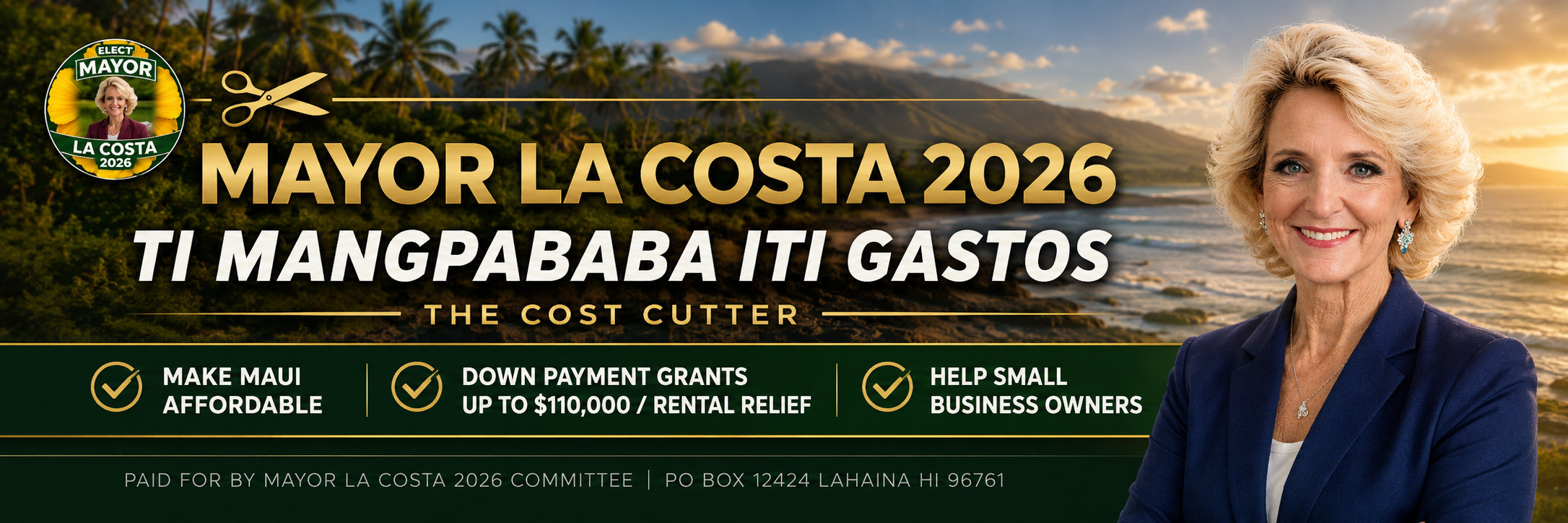
Encouraging Filipinos to Run for Public Office
Hawaii cannot fully meet the needs of its diverse population without leadership that reflects the communities it serves. That is why greater Filipino representation in public office remains important.
Filipino leaders bring lived experience and cultural understanding. Their presence in government can help bridge gaps and support programs that benefit not only Filipino residents but all of Hawaii’s people. Seeing Filipino Americans serve in elected office can also inspire greater civic engagement by giving community members representatives who understand their experiences and perspectives.
Supporting the Filipino American community does not end with voting for Filipino candidates. Residents also have the power to advocate for legislation. Organized, respectful, and sustained advocacy can encourage elected officials to pay closer attention to issues that matter most to the community.
The public deserves leaders with integrity, independence, and the courage to make difficult decisions without yielding to pressure from powerful special interests. Equally important, elected officials should demonstrate competence, empathy, sound moral character, and a genuine commitment to serving the public rather than personal ambition or political donors.
Ultimately, democracy depends not only on who wins elections but also on whether those entrusted with public office prove worthy of the confidence voters place in them.
Over the past six years, Hawaii has faced multiple crises, including the COVID-19 pandemic, the 2023 Maui wildfires, the impacts of the Kona Low earlier this year, and rising costs driven in part by international conflicts affecting fuel and consumer goods.
State leaders have had to respond with policies, emergency funding, and recovery programs. Crisis management is one of the most important qualities voters should evaluate when considering candidates. Effective leadership is not only about responding during emergencies but also about preparing communities before disasters occur and ensuring recovery efforts are efficient, transparent, and equitable afterward.
Our supplement issue’s cover story features Filipino American candidates seeking public office, highlighting their backgrounds and policy priorities. The first responsibility of every voter is to become informed. As the primary election approaches, we encourage residents to study the candidates carefully and examine their records.
A vote should never be cast solely out of habit, party loyalty, or name recognition. It should be based on thoughtful consideration of who is best prepared to serve with integrity, competence, and purpose.
Vote for your community. Vote for Hawaii. Above all, vote for your future.
About Author


+ There are no comments
Add yours